
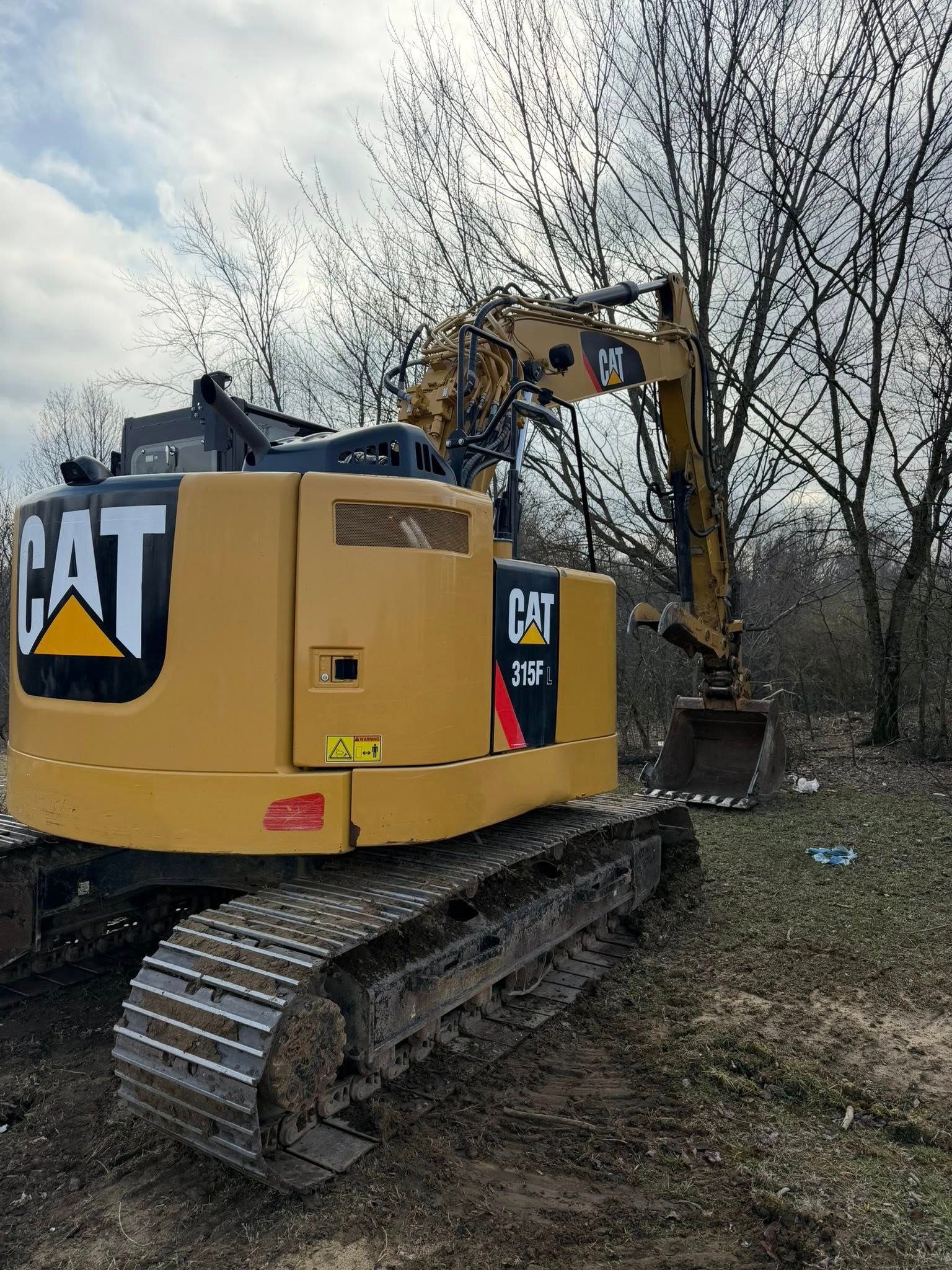
Prepare Sites with Precision Grading and Earthwork
Excavation Services in Chattanooga and surrounding areas for driveway installation, foundation prep, and drainage correction on sloped properties
Meed Forestry delivers excavation services in Chattanooga, Signal Mountain, Fort Oglethorpe and surrounding areas for homeowners, builders, and contractors who need site grading, foundation preparation, or utility trenching on wooded or sloped terrain. You may be planning to build a new home and need the building pad excavated and leveled, or you might have drainage problems where water pools near your driveway or foundation and requires grading to redirect flow. The crew uses heavy equipment such as excavators and dozers to move earth, shape grades, and prepare stable surfaces for construction or long-term use.
The service includes site grading, foundation preparation, driveway installation, gravel pad prep, and trenching for utilities and drainage. Grading establishes proper elevations to move water away from structures and low areas, which prevents erosion and standing water. Foundation prep involves excavating to depth, removing roots and organic material, and compacting soil to support concrete footings. Driveway and gravel pad work includes base grading, compaction, and gravel placement to create stable surfaces that hold up under vehicle weight and weather. Chattanooga's rolling terrain and clay-rich soil require operators familiar with managing water flow and avoiding over-excavation that leads to instability.
Schedule an excavation consultation to review your site conditions and discuss grading or trenching needs in detail.
Shaping Land for Stability and Function
You will see level building pads, stable driveways, and improved water drainage once the excavation and grading work is complete. Foundation areas are excavated to the correct depth and cleared of debris, roots, and soft soil that could cause settling. Driveways are graded to proper slope and topped with compacted gravel, which prevents rutting and washout during rain. Trenches for utilities and drainage are dug to specified depth and width, and backfill is compacted to avoid future settling or erosion.
Meed Forestry uses excavators with grading buckets and GPS-assisted dozer blades when precision is required for larger projects or engineered plans. The crew assesses soil type and moisture content before beginning excavation to avoid working in conditions that cause rutting or equipment bogging. If your property has slopes, grading follows natural contours to minimize cut-and-fill volumes and reduce erosion risk. Utility trenching is performed to depth and width specifications provided by plumbers, electricians, or septic installers, and the crew coordinates timing to avoid delays in your construction schedule.
The service does not include utility installation, permitting, or surveying. If your project requires exact elevations or engineered grading plans, those documents must be provided before excavation begins. Soil conditions such as bedrock, high water tables, or expansive clay may require additional equipment or methods not included in standard excavation pricing.
Property owners and contractors in the Chattanooga area often ask about equipment capabilities, grading accuracy, and how excavation improves site stability and drainage.
Questions About Excavation and Grading Work
What type of equipment is used for excavation and grading?
The crew uses tracked excavators for digging and trenching, and dozers for grading and shaping large areas. Equipment selection depends on site size, soil type, and access conditions.
How deep can you trench for utilities or drainage?
Trenching depth depends on project requirements, but most utility and drainage trenches range from two to six feet deep. Deeper excavation may require shoring or specialized equipment.
Can you grade a sloped property to improve drainage without excessive earthwork?
Yes, grading follows natural contours to redirect water flow with minimal cutting and filling, which reduces cost and erosion risk on sloped terrain common in Trenton.
Will excavation and grading improve foundation stability?
Yes, proper excavation removes soft soil, roots, and organic material, and compaction ensures the ground can support concrete footings and prevent settling over time.
How long does excavation and grading take for a residential building site?
Most residential excavation projects are completed in one to three days depending on site size, soil conditions, and the extent of grading or trenching required.
Meed Forestry handles excavation and grading for residential and commercial projects where precision and site-specific knowledge matter. Reach out to discuss your project and schedule a site visit.