Reclaim Your Land From Overgrowth and Invasive Plants
Vegetation Management in Chattanooga and surrounding areas for fence lines overtaken by brush and corridors blocked by invasive species
Meed Forestry provides vegetation management in Chattanooga, Signal Mountain, Hixson and surrounding areas for property owners dealing with invasive species, unwanted brush, and overgrowth that blocks fence lines, utility corridors, and access routes. When honeysuckle vines snake through barbed wire or privet thickets close off entire sections of your land, the property becomes harder to use and maintain. You need targeted clearing that removes what shouldn't be there without damaging what you want to keep.
This service removes invasive species like kudzu, privet, and multiflora rose, along with volunteer saplings and dense undergrowth that creep into open areas. Clearing fence lines restores the boundary visibility and makes repairs possible again. Opening up utility corridors reduces the risk of outages and keeps access clear for maintenance crews. The work also lowers fire hazards by eliminating dry brush piles and dense vegetation that can carry flames across your property during dry conditions.
If you need fence lines cleared or large tracts brought back under control, contact Meed Forestry to book a vegetation assessment and discuss a custom maintenance program for your land.
What Changes After Vegetation Management
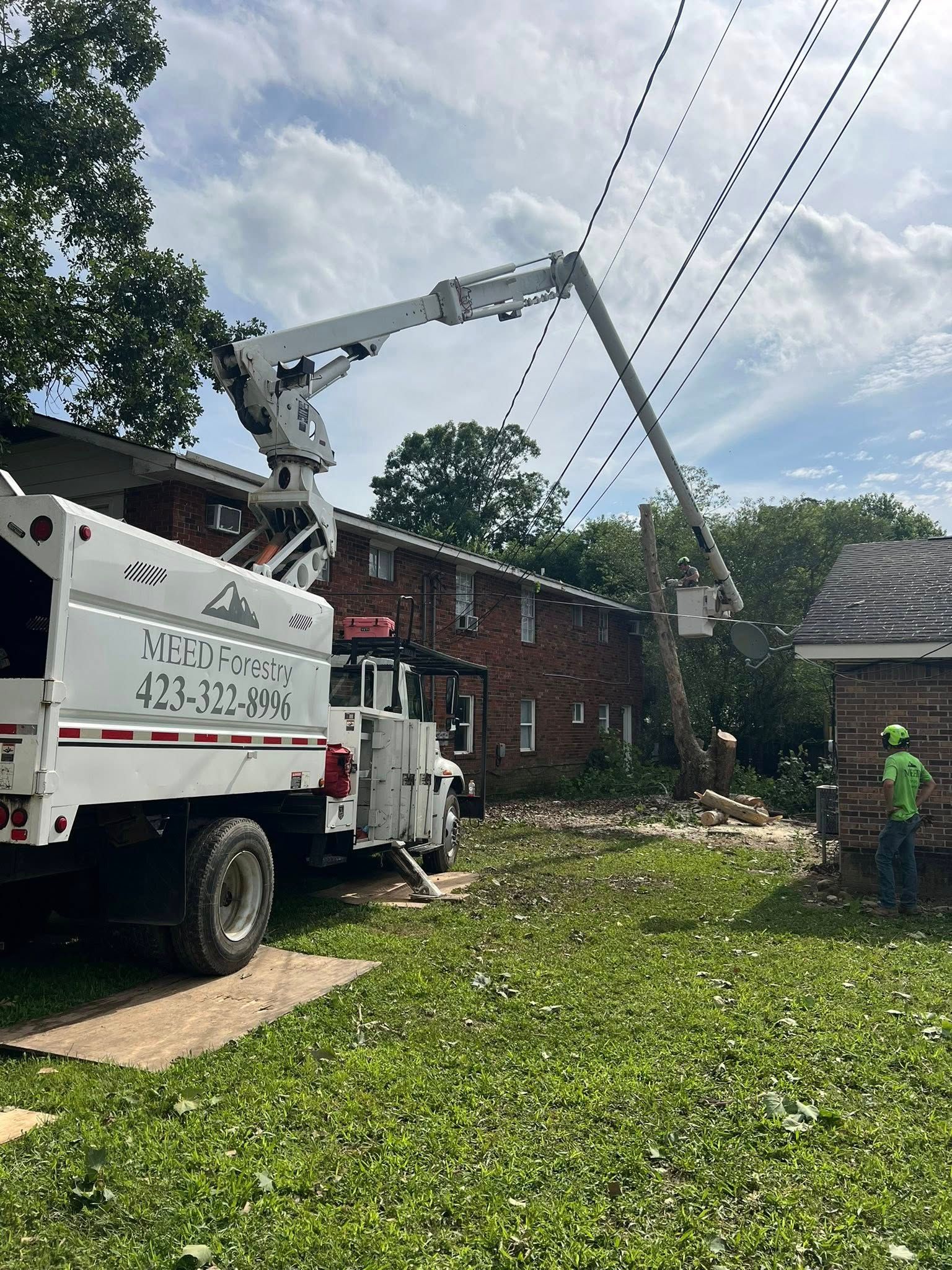
You'll see open ground where brush once dominated, and fence lines that are visible and accessible again. Meed Forestry uses brush mowers, chainsaws, and forestry mulchers depending on the density and terrain, cutting invasive plants at the base and mulching the debris into the soil or removing it entirely. The method depends on whether you want regrowth suppression or a clean slate for replanting.
After the work is done, you can walk your property lines without machetes, and vehicles can move along corridors without scraping through limbs. The land looks maintained rather than abandoned, and recurring problems like tick habitat and rodent cover are significantly reduced. Custom maintenance programs can include annual or seasonal follow-up clearing to prevent regrowth from reestablishing before it becomes a problem again.
This service does not include stump grinding or soil grading. It focuses on vegetation removal and maintaining long-term usability of the cleared areas. If invasive species have deep root systems, follow-up treatments or additional clearing cycles may be necessary to prevent resprouting.
Property owners in the Chattanooga area often ask about timing, equipment, and what to expect after invasive species are removed from large tracts or neglected areas.
Common Questions About Managing Overgrowth
What equipment is used for clearing dense brush and invasive species?
Meed Forestry uses forestry mulchers for large areas, brush mowers for lighter undergrowth, and chainsaws for saplings and woody vines. The choice depends on terrain, density, and whether you want mulched material left in place or hauled away.
How soon will invasive species grow back after clearing?
Regrowth timing depends on the species and whether roots were removed or cut at ground level. Kudzu and privet can resprout within weeks if roots remain, so follow-up treatments or scheduled maintenance help keep cleared areas open longer.
When is the best time to clear vegetation in Trenton?
Late winter through early spring is ideal because plants are dormant, visibility is better, and ground conditions are firmer for equipment. Summer clearing is possible but regrowth happens faster in warm months.
Why does clearing fence lines help with property maintenance?
Clearing fence lines lets you see and repair damaged posts and wire. It also stops vines and saplings from pulling down fencing or creating gaps that livestock and wildlife can push through.
How does vegetation management reduce fire hazards?
Removing dry brush, dead saplings, and dense undergrowth eliminates fuel sources that carry wildfires across open land. Cleared corridors also create firebreaks that slow the spread of flames during dry conditions.
If overgrowth is blocking access or hiding damage on your property, reach out to Meed Forestry to schedule a vegetation assessment and discuss a clearing plan that fits your land use and long-term goals.